

Duration: For diploma 1 year
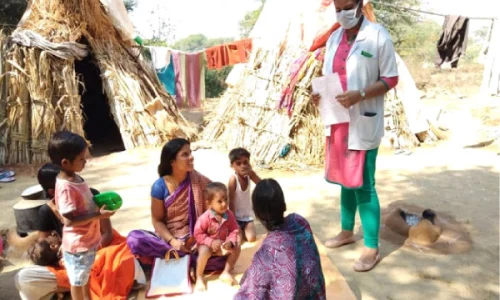
Rural health care plays a critical role in addressing the healthcare needs of India’s vast rural population. In a country with a predominantly rural demographic, access to quality healthcare services in rural areas is of paramount importance. To meet this need, various rural health care courses are offered in India. These programs aim to equip healthcare professionals with the knowledge and skills required to deliver healthcare services in rural and remote regions effectively.
Eligibility Criteria: Candidates must meet specific eligibility criteria, which can vary based on the course and institution. For undergraduate programs, eligibility often requires completion of the 10+2 education, while postgraduate programs may require a relevant bachelor’s degree.
Popular Specializations in Rural Health Care in India
Rural health care programs in India offer a variety of specializations to cater to various healthcare interests and career goals. Some of the popular specializations include:
- Rural Health Management: Focusing on the management and administration of rural healthcare facilities and public health initiatives.
- Community Health: Preparing professionals to work directly with rural communities, addressing their health needs and conducting outreach programs.
- Maternal and Child Health: Specializing in maternal and child health, reducing maternal mortality and child malnutrition in rural areas.
- Primary Health Care: Focusing on primary healthcare delivery in rural communities, often incorporating telemedicine and mobile health clinics.
- Public Health Administration: Preparing healthcare administrators to manage public health programs, disease control, and sanitation initiatives.
- Medical and Nursing Practice: Training doctors and nurses to work in rural areas, addressing common health issues prevalent in rural communities.
Career Prospects in Rural Health Care:-
Graduates of rural health care programs in India can pursue a variety of career paths, including:
- Rural Health Practitioners: Working as doctors, nurses, and healthcare professionals in rural healthcare facilities.
- Community Health Workers: Serving directly in rural communities, providing healthcare access and education.
- Rural Health Administrators: Managing healthcare facilities, resource allocation, and healthcare staff in rural settings.
- Public Health Specialists: Leading public health campaigns, vaccination drives, and sanitation initiatives in rural areas.
- Telemedicine and eHealth Professionals: Implementing telemedicine and healthcare technology solutions in rural regions.
- Health Educators: Conducting health education and promotion programs in rural communities.
- Non-Governmental Organizations (NGOs): Working with NGOs and international organizations on rural health projects.
- Healthcare Consultants: Providing expert advice and consultation on rural healthcare and public health initiatives.
Curriculum
- 1 Section
- 8 Lessons
- Lifetime
- Rural Health Care Curriculum:-The curriculum for rural health care programs is designed to provide students with a strong theoretical foundation and practical skills necessary for rural healthcare delivery. While the specific courses and subjects can vary, common areas of study in rural health care programs include:8
- 1.0What is Community Health Nursing?
- 1.1What is Health Policy and Health Systems?
- 1.2What is Management and Administration?
- 1.3What is Maternal and Child Health?
- 1.4What is Primary Health Care?
- 1.5What is Telemedicine and Technology in Rural Health?
- 1.6What is Public Health Campaigns and Outreach Programs?
- 1.7What is Rural Health and Epidemiology?



Leave a Reply